Where destruction feels simpler and low risk, it tends to remain the default. We see the same behaviour in the storage space. It is usually only when reuse value, cost recovery and sustainability targets are brought into the discussion that sanitisation gains attention.
Destruction is simple and easy to process, which is why it often becomes the standard approach. Refurbishment, however, opens two further routes: redeployment within the organisation or resale into the secondary market. One reduces future capital expenditure, the other generates recoverable value.
In addition, the environmental aspect is becoming increasingly relevant. Reuse and life extension now form part of broader compliance and sustainability frameworks within larger enterprises. The decision is therefore not only about risk removal, but also about cost, value recovery and environmental impact.

Nemesis and Genesis
By way of additional context, Nemesis is our platform for secure, auditable sanitisation of network equipment such as switches, firewalls, and access points. Alongside that, we also have Genesis, which is our storage erasure and drive refurbishment system. Genesis is widely used within ITAD and enterprise environments to securely erase, test and recover HDDs and SSDs for reuse rather than destruction.
We mention Genesis because many organisations approach this at a lifecycle level. Storage and networking assets often sit within the same refresh and decommissioning programmes. If your business is managing installation, maintenance and replacement, there may be scope to look at how secure sanitisation supports reuse across both areas, rather than defaulting to destruction.
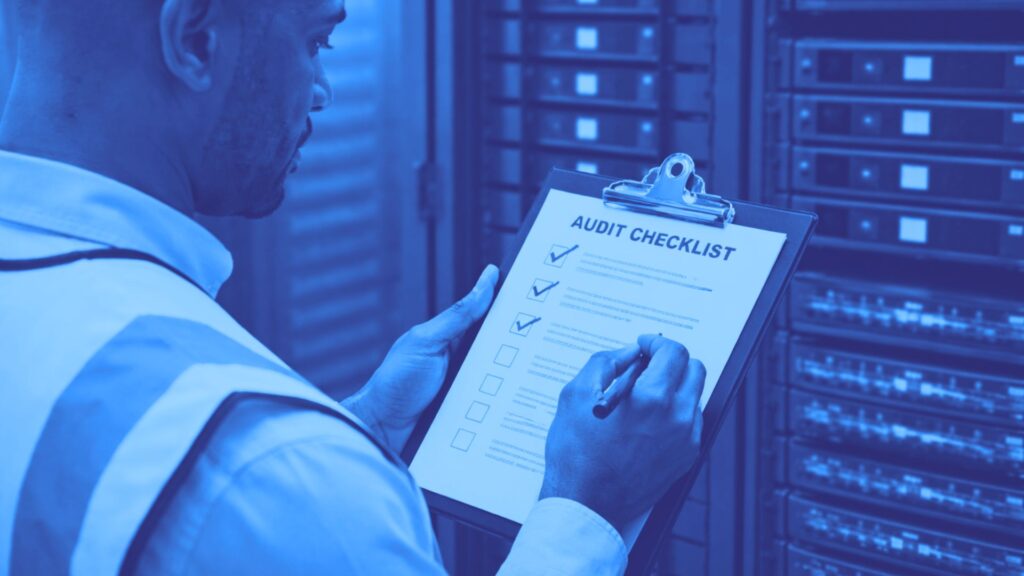
Addressing the “Good Enough” Objection
In our experience, the view that destruction is “good enough” is rarely technical. It is usually based on habit and a belief that it removes risk quickly.
Where the discussion tends to move forward is when three practical points are introduced:
- What recoverable value is being removed through destruction?
- What evidential record exists compared to audited sanitisation?
- How does destruction sit against sustainability reporting and reuse targets?
Rather than challenging destruction directly, it can be more effective to present a straightforward comparison: destroy versus sanitise and reuse. When clients see potential asset value, audit evidence and environmental impact side by side, the discussion becomes commercial and governance-based rather than purely operational.