As data centres modernise infrastructure, retire servers, or migrate storage environments, organisations face a critical requirement: ensuring that every storage device is securely sanitised before it leaves the facility.
Hard drives and solid-state drives removed from enterprise systems frequently contain sensitive corporate, customer, or regulated data. If these devices are not properly sanitised, organisations risk data breaches, regulatory exposure, and reputational damage.
On-site data erasure provides a controlled solution. Instead of transporting drives to an external processing facility, sanitisation takes place directly within the data centre using dedicated erasure systems such as Genesis.
This approach enables secure, auditable, and scalable drive sanitisation while maintaining full chain-of-custody throughout the process.
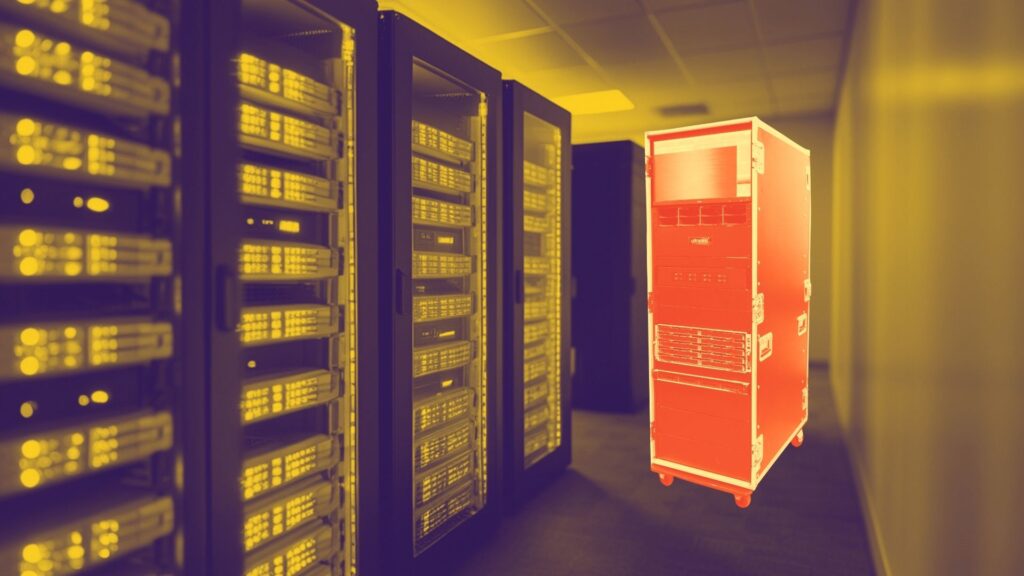
What Is On-Site Data Erasure?
On-site data erasure is the process of securely sanitising storage devices within the customer’s own environment rather than transporting them off-site.
This model is widely used during:
- Data centre decommissioning projects
- Server refresh programmes
- Storage infrastructure upgrades
- Cloud migration programmes
- IT asset disposition operations
By erasing drives within the facility, organisations retain full control of storage media while reducing transport risk and simplifying compliance management.
Secure Data Centre Drive Sanitisation
Enterprise storage devices must be erased using recognised industry standards to meet security and regulatory requirements.
Genesis supports erasure processes aligned with NIST SP 800-88 data sanitisation guidance and produces detailed audit records for every drive processed.
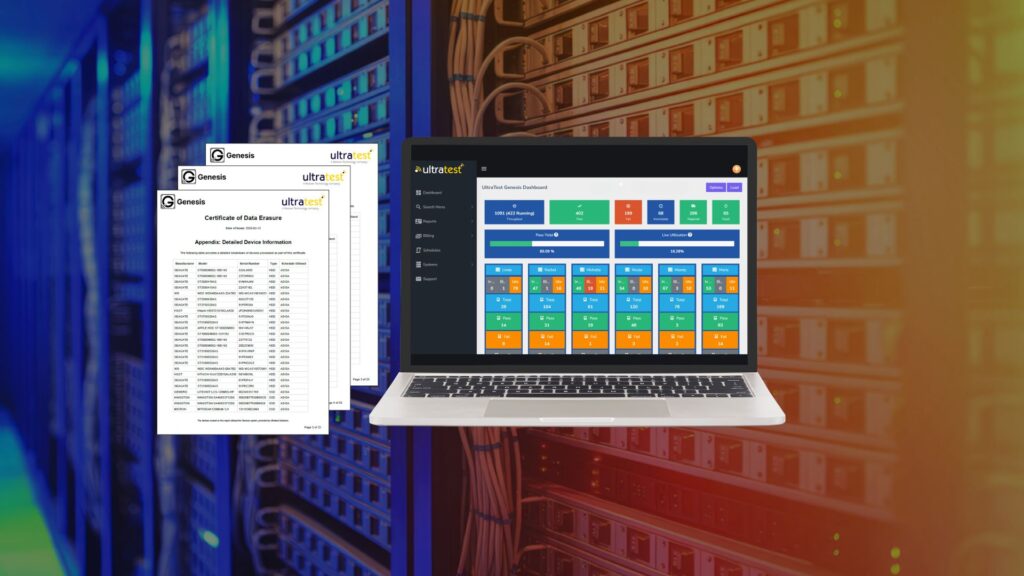
Each device undergoes automated erasure and verification, generating a documented record confirming that the sanitisation process completed successfully. These records are accessible through the Genesis Portal, providing drive-level logs and certification reports.
The platform has also been independently tested through the ADISA Product Assurance programme, validating the reliability of its erasure processes. For organisations operating under frameworks such as ISO 27001, or internal governance policies, this documentation provides essential evidence for audit and compliance purposes.
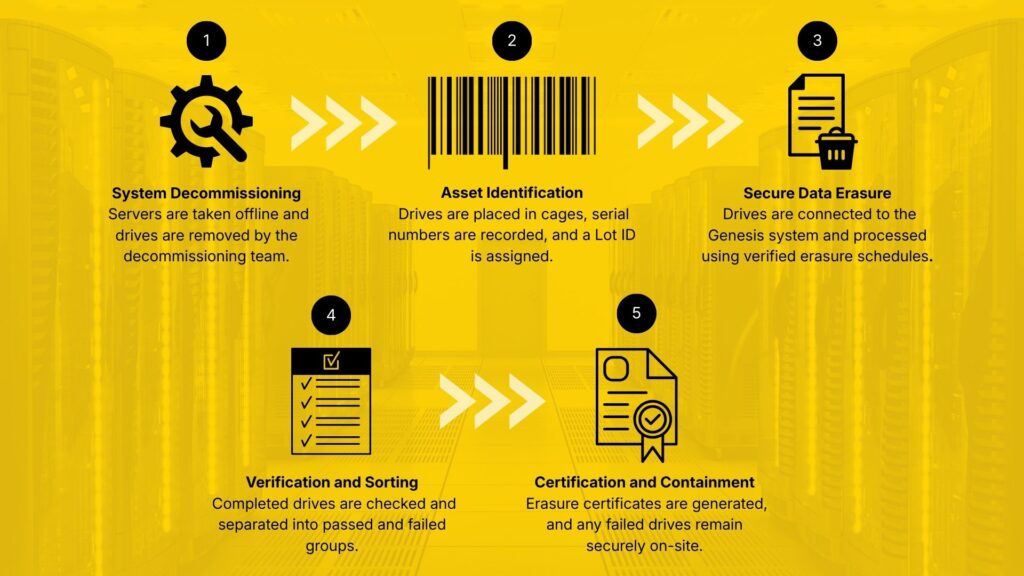
How Genesis Enables On-Site Data Erasure
Genesis is a professional drive processing system designed for secure, high-volume storage device erasure.
The platform operates as a standalone system inside the data centre and does not connect to live production infrastructure. This ensures the sanitisation process is isolated from operational systems and reduces potential security exposure.
During decommissioning projects, Genesis systems are typically deployed within the live data centre areas where equipment has already been taken out of service. Drives removed from servers or storage arrays can therefore be connected and processed close to the point of decommissioning, reducing unnecessary handling or transport within the facility.
Once drives are removed from servers or storage arrays, they are connected to the Genesis system where the platform automatically performs:
- Drive detection
- Secure erasure
- Verification
- Reporting and certification
Genesis supports both SATA and SAS interfaces, allowing mixed enterprise drive types to be processed in the same workflow.
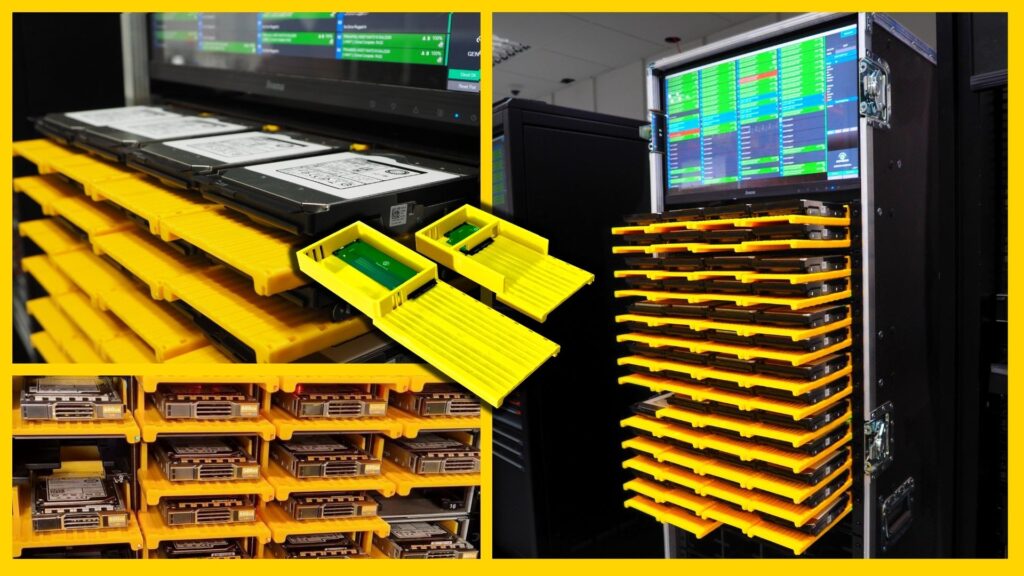
Efficient Drive Connection for Data Centre Erasure
Large infrastructure refresh projects often involve hundreds or thousands of drives, so physical workflow efficiency is critical.
The Genesis port design allows both 3.5-inch and 2.5-inch data centre drives to be inserted directly into the front of the system without additional cables or connectors. Port extenders allow server drives to be connected while still in their caddies or carriers during decommissioning.
This reduces the preparation time normally required when processing enterprise storage hardware and enables technicians to connect drives quickly during large-scale data centre drive erasure projects
Designed for Operational Simplicity
On-site erasure operations are often carried out by technicians responsible for hardware decommissioning or IT asset handling rather than specialist storage engineers.
Genesis is designed with a simple graphical interface and automated processing workflow so that the system can be operated without specialist data recovery expertise.
Once drives are connected and an erasure schedule is selected, the platform automatically detects each device, performs the sanitisation process, verifies the result, and generates the associated audit reports.
This allows erasure operations to be integrated into normal decommissioning workflows while maintaining consistent and verifiable results.
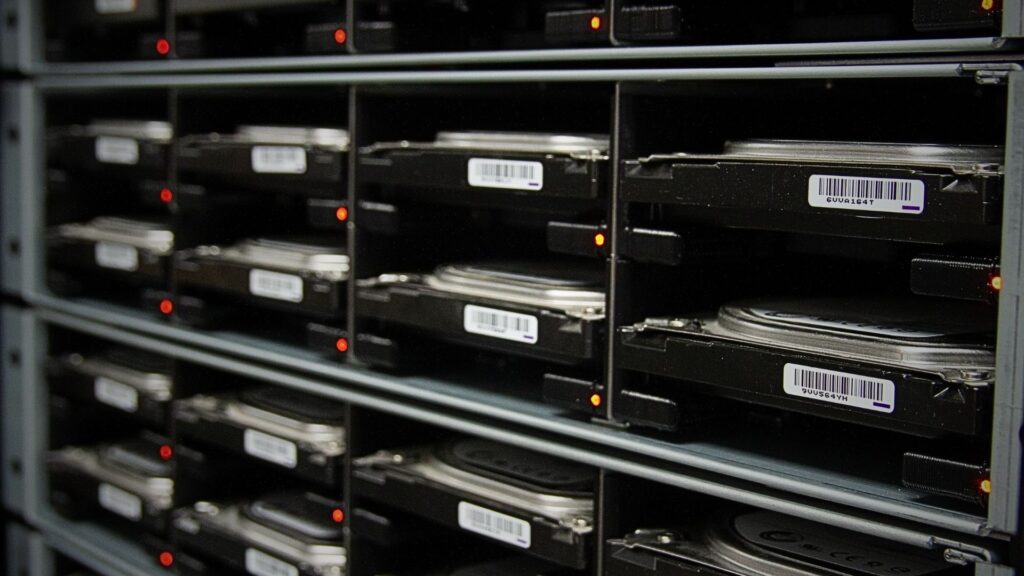
High-Volume Data Centre Erasure
Data centre refresh cycles frequently involve large volumes of storage media.
Genesis systems support parallel processing across multiple drive ports, enabling organisations to erase many drives simultaneously.
Configurations range from 8 to 96 ports, allowing processing capacity to scale depending on project requirements.
For very large decommissioning projects, multiple systems can be deployed in parallel to increase throughput and reduce the total project duration.
Repair and Reuse of Enterprise Drives
Genesis also includes a defect scan and repair process designed for hard disk drives.
This process identifies defective sectors and remaps them to spare sectors, allowing drives that may previously have failed verification to be successfully erased and redeployed.
For organisations involved in hardware recovery or IT asset resale programmes, this capability can improve grading outcomes and increase the proportion of drives suitable for reuse.
Compliance, Reporting, and Audit Documentation
Enterprise data sanitisation requires a transparent and verifiable audit trail.
Genesis generates detailed documentation including:
- Drive-level erasure certificates
- Audit logs for every device processed
- Chain-of-custody documentation
These records provide clear evidence that sanitisation has been completed correctly and allow organisations to demonstrate compliance during internal or external audits.
Supporting Secure Data Centre Decommissioning
As organisations modernise infrastructure and migrate workloads to new platforms, the need for secure and verifiable storage sanitisation continues to grow.
On-site data erasure allows organisations to maintain full control of storage media while ensuring compliance with recognised data sanitisation standards.
By combining scalable processing capacity, automated verification, and detailed audit reporting, Genesis provides a practical approach to secure data centre drive erasure within the customer environment.