Networking reuse is often underestimated. On the surface, it appears like other IT asset reuse workflows, but the reality becomes far more complex once scale, diversity of devices, and security expectations are introduced. What looks manageable in small volumes quickly becomes difficult to control, audit, and defend when applied across mixed networking estates. The challenge is turning an engineer-led, experience-driven activity into something consistent, repeatable, and safe enough to support reuse.
Understanding the complexity of networking equipment
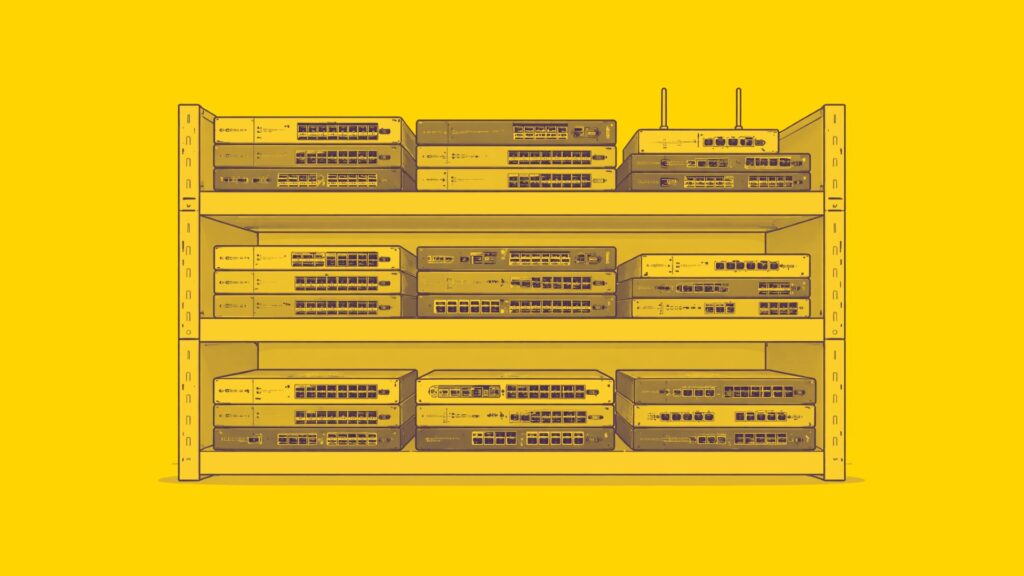
Networking equipment is a broad and diverse category. It includes switches, routers, access points, and firewalls. Unlike storage devices, there is no single, standardised approach to how data is stored or managed across these platforms. Differences exist not only between vendors, but also between models and firmware versions within the same manufacturer’s range. Storage locations, configuration handling, and sanitisation behaviour can vary significantly, meaning a process that works on one device may fail on the next.
Factory reset is not erasure
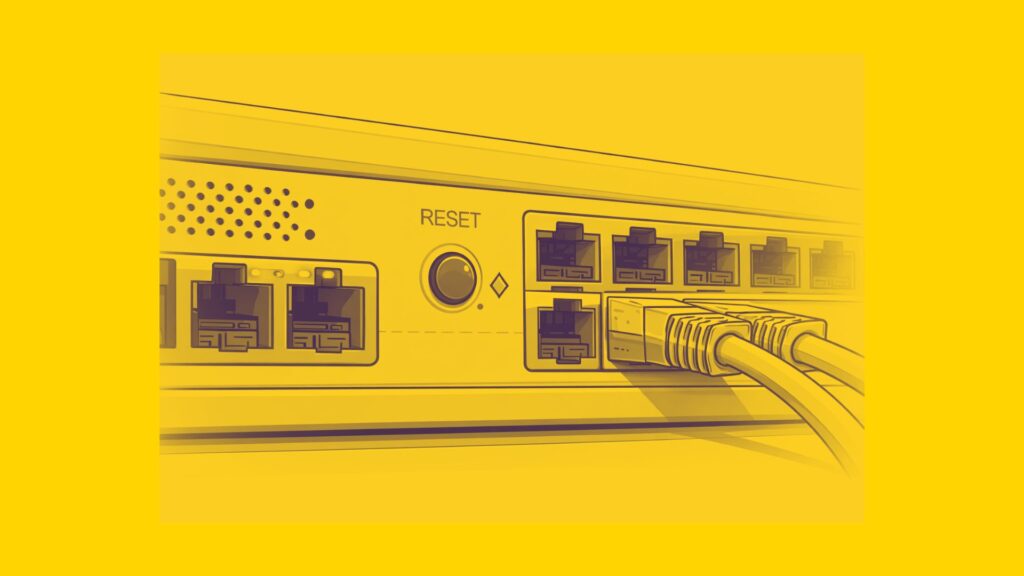
Factory reset is often treated as the default approach to preparing networking hardware for reuse, but it is different from data erasure. In many cases, a reset simply removes configuration visibility rather than removing the underlying data itself. Logs, credentials, encryption keys, cached files, and other residual artefacts may remain on the device. Verification is also weak. A device booting to a default state does not provide evidence that data has been securely removed, and visual confirmation alone is not a defensible sanitisation method.
Networking risk increases with device role
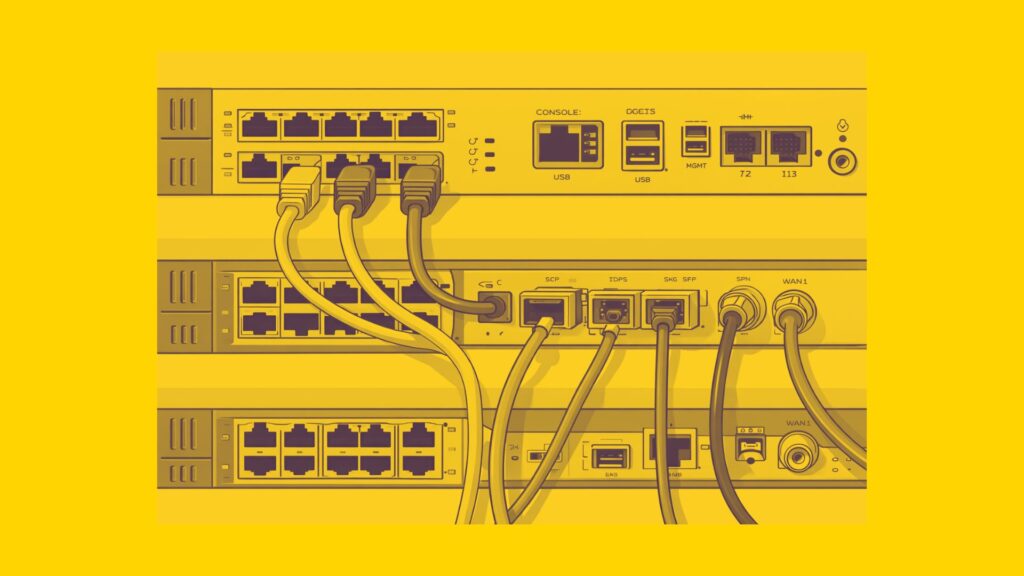
Not all networking devices carry the same level of risk, but all should be considered data-bearing assets. Switches can retain information that reveals network structure and security controls. Access points may store wireless credentials and authentication artefacts. Routers and firewalls often contain perimeter configurations, addressing schemes, remote access settings, and administrative controls. As devices move higher in the network stack, the potential impact of residual data increases. The greater the role of the device, the greater the exposure if sanitisation is incomplete.
Compliance and standards in ITAD
Industry standards and customer expectations are evolving. Networking equipment is increasingly being treated in the same way as any other data-bearing asset, with greater emphasis on consistency, justification, and evidence. While factory reset has historically been accepted in some contexts, scrutiny is increasing. Organisations are being asked not just to perform sanitisation, but to demonstrate that it has been conducted in a repeatable and verifiable way.
The future of data sanitisation solutions
Destruction guarantees risk removal, but it undermines reuse, sustainability objectives, and the economics of IT asset disposition. Secure reuse cannot mean security at any cost; it must balance protection with practicality and environmental responsibility.
Engineers remain central to that process. The challenge is not reducing their expertise, but equipping them with tools that allow them to apply it consistently and efficiently across large, mixed estates. As volumes increase, reliance on memory, interpretation, and model-specific nuance becomes harder to sustain and more difficult to evidence.
To enable secure reuse at scale, organisations need structured processes that support engineers rather than replace them. Outcomes must be consistent across device types, repeatable regardless of operator, and backed by evidence that stands up to audit and customer scrutiny.
The direction of travel is clear: process-led, policy-driven sanitisation that enhances professional judgement, reduces variability, and makes defensible reuse achievable in practice.
How Nemesis addresses these challenges
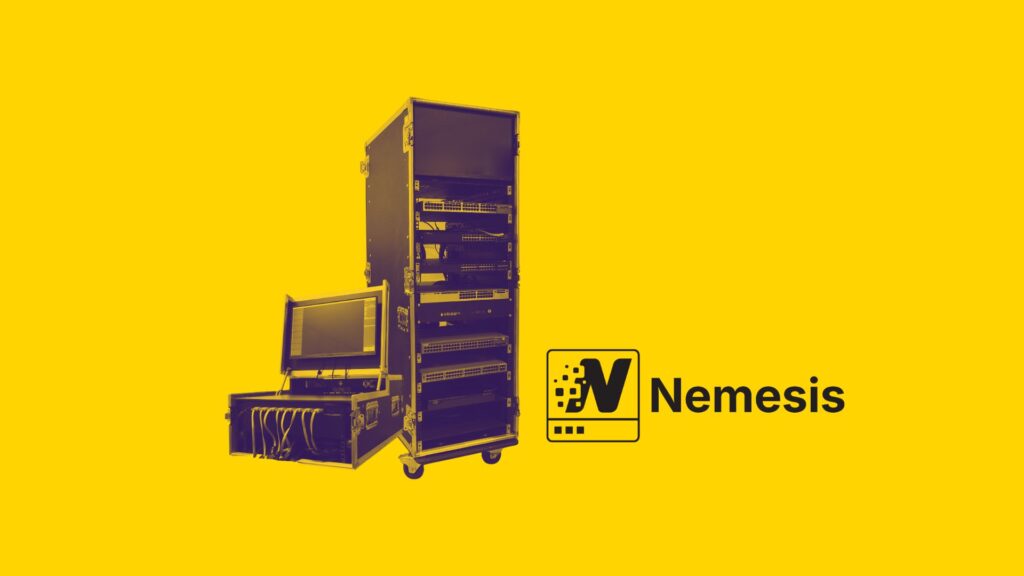
Nemesis is a purpose-built networking sanitisation platform designed to bring structure and consistency to an area that has traditionally relied on manual processes and specialist knowledge. It applies predefined, policy-driven workflows to networking equipment, reducing the burden on engineers to interpret device behaviour differently on a case-by-case basis. Rather than replacing expertise, it standardises execution, ensuring that professional judgement is applied within a controlled, repeatable framework.
By enforcing consistent handling across vendors and device types, and enabling multiple devices to be processed in parallel, Nemesis reduces variability while improving operational throughput. Engineers remain in control, focusing on oversight, exception management, and quality assurance rather than repetitive command execution. The result is greater efficiency without sacrificing technical control.
Crucially, Nemesis focuses on evidence as well as execution. Every action is logged, verified, and reported, creating a clear audit trail that demonstrates what was done and how. This shifts networking reuse away from assumptions and visual checks toward documented, repeatable outcomes.
In doing so, Nemesis enables organisations to reuse networking equipment with confidence, meet evolving compliance expectations, and balance security with sustainability, rather than treating them as competing priorities.